The Chef's Choice, In Your Home
Omakase at Home in Scottsdale: A Complete Guide
Omakase rewards trust, but a successful residential tasting still begins with a precise brief. This guide explains how the menu, seafood, allergies, kitchen, access, seating, pacing, and cleanup come together before the first course is served.
The short answer
How does omakase at home in Scottsdale work?
Omakase at home is a chef-led Japanese tasting menu prepared and plated in a private residence. The host shares the occasion, guest count, preferences, allergies, kitchen details, and access instructions; the chef then proposes a progression, confirms what the home can support, sources for the menu, cooks on site, serves courses in sequence, and cleans the kitchen after service.
- Omakase means the diner entrusts the selection to the chef, not that preferences and allergies go unspoken
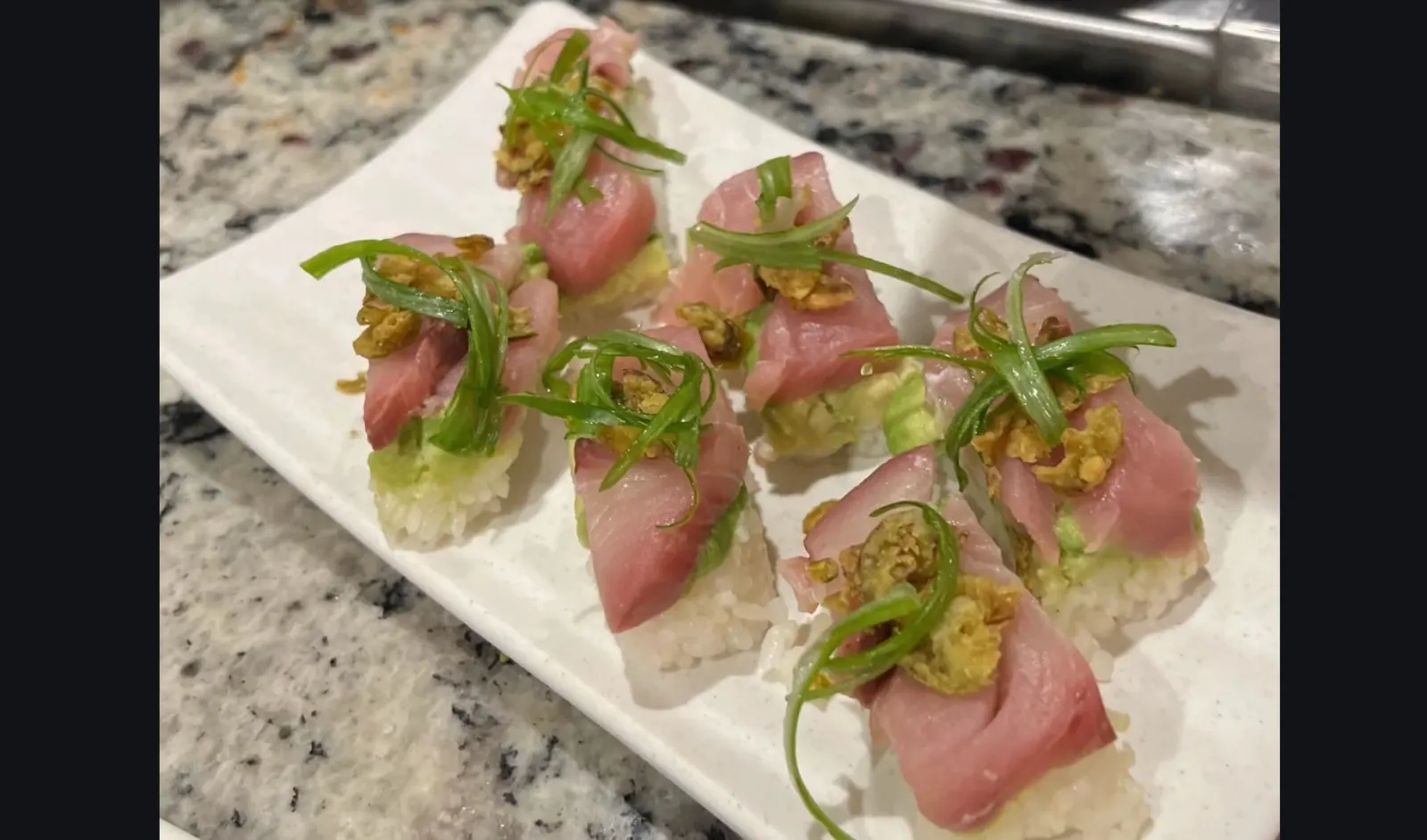
- The menu may include nigiri, sashimi, or composed Japanese-inspired courses depending on the agreed direction
- Cold storage, counter space, seating distance, and the path from prep area to guests affect the format
- Gate authorization and property access remain the host's responsibility and should be settled before arrival
Preferences With Boundaries
Tell the chef what the table enjoys, avoids, and needs medically; leave the course selection and sequence to the culinary plan.
A Format Built for the Home
Choose island seating, dining-room service, or another agreed setup after the kitchen and guest flow are understood.
One Considered Course at a Time
A paced menu can move through seafood and composed dishes without copying a restaurant seating or rushing the conversation.
Start With the Meaning
Chef-led does not mean context-free
Omakase is commonly understood as chef's choice: the diner entrusts the selection and order of the meal to the chef. At home, that trust is most useful after the boundaries are clear. The host should share the occasion, the table's familiarity with raw seafood, strong likes and dislikes, alcohol plans, timing, and every allergy or dietary restriction before a menu is approved.
The chef still directs the progression. The brief simply keeps surprise from becoming avoidable friction. Chef Anthony Primera can shape an A Prime Dinners experience around Japanese technique and the guests in the room, rather than reproducing another restaurant's fixed menu or promising that every at-home omakase must follow the same number of courses.
The Residential Kitchen
Design the progression around the actual room
A restaurant counter is built for a particular sequence. An estate kitchen, vacation home, or condominium may have more space but a different flow. Before service, document available refrigerator and freezer space, sinks, cooktop, ovens, counter depth, lighting, outlets, dishwashing capacity, serving pieces, and the distance from preparation to guests. Photographs can resolve most questions without a site visit.
Seating is part of the culinary plan. Guests gathered at an island can watch close preparation, while a dining-room table may suit composed courses carried from a prep kitchen. If the home has a butler's pantry, outdoor kitchen, or secondary service area, identify which spaces are authorized and which should remain private. The best format is the one that protects both food quality and the ease of the room.
Seafood, Allergies & Restraint
Ask what can be accommodated before booking
Fish, crustacean shellfish, wheat, soy, and sesame are among the nine major food allergens identified by the U.S. Food and Drug Administration, and several can appear throughout a Japanese tasting menu. A guest who avoids raw seafood may need a different progression; a severe allergy may present cross-contact limits that a residential kitchen cannot eliminate. Those are menu-design decisions, not notes to reveal on the day.
Give the chef one accurate written list for every guest and distinguish an allergy from a preference. Ask which ingredients are central to the proposed menu, what substitutions are realistic, and what the home kitchen permits. A thoughtful answer may be a modified course, a different tasting direction, or a candid explanation that a requested format is not appropriate.
Arrival to Final Plate
The quiet work happens before guests sit down
For a gated Scottsdale residence, the host or authorized property contact should arrange vendor entry, provide the correct gate, confirm parking, and share a reachable day-of contact. The chef should receive only the access information required for service. Building elevators, loading areas, pets, household staff, security systems, and hard departure times also belong in the operational brief when relevant.
Once inside, the experience should feel deliberate rather than theatrical for its own sake. Courses move at the agreed pace, conversation is allowed to breathe, and the kitchen remains contained. At the end, cookware and work surfaces used for service are cleaned and the culinary area is returned in order. That combination of chef-led menu and residential discretion is what separates omakase at home from a public reservation.
Quietly orchestrated
From first detail to final course
-
01
Define the Table
Share the date, residence, guest count, occasion, raw-seafood comfort, preferences, allergies, and desired level of chef interaction.
-
02
Review the Kitchen
Provide clear photos or notes on refrigeration, counters, sinks, cooking equipment, seating, tableware, and the route to guests.
-
03
Confirm Menu and Access
Approve the tasting direction, resolve dietary feasibility, and document gate clearance, parking, service areas, and the day-of contact.
-
04
Follow the Chef's Progression
The chef sources for the approved menu, prepares and plates in sequence, then cleans the culinary workspace used for service.
Questions, answered
with clarity
What does omakase mean?
Omakase is commonly translated as chef's choice or leaving the selection to the chef. In an at-home experience, guests still disclose preferences, allergies, and dietary restrictions in advance; the chef uses that context to direct the menu and its order.
Does omakase at home have to be sushi only?
No. Omakase describes a chef-directed selection, not a mandatory list of dishes. An agreed at-home progression may include nigiri or sashimi, cooked seafood, and other Japanese-inspired composed courses based on the chef's proposal, ingredient availability, guest preferences, and kitchen.
Can an at-home omakase accommodate allergies?
Possibly, but feasibility depends on the allergen, menu, sourcing, and the residential kitchen's cross-contact limits. Disclose allergies before booking and ask for a direct accommodation decision. Fish, crustacean shellfish, wheat, soy, and sesame can be especially relevant to Japanese tasting menus.
What kitchen information should I send the chef?
Send photos or a clear inventory of refrigerator and freezer space, sinks, cooktop, ovens, counters, dishwashing, serving pieces, seating, and the path to guests. Include any appliance limitations and identify rooms or equipment that are not available for service.
How is at-home omakase different from a Scottsdale restaurant omakase?
A restaurant usually controls the room, equipment, seatings, and house menu. At home, the guest list and setting are private, while the chef must design around the residence, access rules, seating, and agreed pace. It is a different service model, not a claim to replicate a specific restaurant.